Superfoods Nutrient-rich foods considered to be especially beneficial for health. are all the rage, and for good reason! These special foods pack a powerful punch when it comes to nutrition, offering a treasure trove of health benefits that can elevate our well-being. From antioxidants to essential vitamins and minerals, superfoods are more than just a trend – they are a key ingredient in a healthy diet.
Understanding what classifies a food as a superfood, along with its origins and nutritional benefits, can empower you to make better food choices. Whether you’re a health enthusiast or just curious about what these superfoods can do for you, diving into the world of nutrient-rich foods can be both fascinating and rewarding.
Definition of Superfoods
Superfoods are nutrient-dense foods that provide an array of health benefits, often exceeding those of typical foods. These foods are celebrated not just for their vitamins and minerals but also for their unique compounds that support overall health and wellness. The significance of superfoods lies in their ability to enhance nutrition and promote better health outcomes, making them a valuable addition to a balanced diet.To classify a food as a superfood, it typically exhibits certain characteristics, such as high levels of antioxidants, vitamins, and minerals, and the presence of beneficial phytonutrients.
These foods often support functions like boosting the immune system, reducing inflammation, and promoting heart health. Over time, the term ‘superfood’ has evolved from marketing jargon into a widely recognized concept within nutritional science, as research continues to unveil the extensive health benefits these foods offer.
Characteristics of Superfoods
Identifying superfoods involves recognizing specific traits that set them apart from regular foods. The following are key characteristics that define superfoods:
- Nutrient Density: Superfoods are packed with essential nutrients, providing a high ratio of vitamins and minerals per calorie.
- Antioxidant Properties: They contain antioxidants that help to neutralize free radicals, reducing oxidative stress in the body.
- Anti-Inflammatory Effects: Many superfoods possess compounds that can reduce inflammation, contributing to better overall health.
- Fiber Content: These foods often have high fiber content, which aids in digestion and promotes a healthy gut.
- Low in Unhealthy Components: Superfoods are generally low in added sugars, unhealthy fats, and artificial additives.
Superfoods are not just a passing trend; they represent an important aspect of nutritional science, encouraging healthier eating habits.
Origin and Evolution of the Term ‘Superfood’
The term ‘superfood’ has its roots in marketing, first appearing in the early 20th century. Initially, it was used to describe foods that were considered to have exceptional health benefits. Over the decades, the definition has expanded as scientific research has validated the health claims associated with various foods. Today, the term encompasses a wide range of foods, including fruits, vegetables, nuts, and whole grains, that are recognized for their unique health-promoting properties.
As consumers become more health-conscious, the popularity of superfoods continues to rise, influencing dietary choices globally.
Nutritional Benefits of Superfoods
Superfoods are celebrated for their impressive nutrient profiles, packed with vitamins, minerals, and antioxidants. These nutrient-rich foods significantly contribute to overall health and wellness, making them a staple in health-conscious diets. By incorporating superfoods into your meals, you can elevate your nutrient intake and promote a healthier lifestyle.Superfoods offer a spectrum of nutritional benefits that can enhance bodily functions and reduce the risk of chronic diseases.
Many superfoods are high in essential nutrients such as vitamins A, C, E, and K, fiber, healthy fats, and phytonutrients. These compounds play a crucial role in maintaining optimal health, supporting immune function, and preventing diseases such as heart disease, diabetes, and certain cancers. The power of superfoods lies not only in their individual nutrients but also in their combined effects that contribute to overall well-being.
Key Nutrients in Superfoods
Understanding the key nutrients found in superfoods is essential for realizing their health benefits. Here are some of the most important nutrients often present in these foods, along with their contributions to health:
- Antioxidants: Superfoods like blueberries, acai berries, and dark chocolate are rich in antioxidants, which help combat oxidative stress and inflammation in the body.
- Omega-3 Fatty Acids: Found in chia seeds, flaxseeds, and walnuts, these healthy fats are known for their heart-protective properties and support brain health.
- Fiber: Foods such as quinoa, lentils, and kale are excellent sources of dietary fiber, promoting digestive health and aiding in weight management.
- Vitamins and Minerals: Spinach and sweet potatoes are rich in vitamins and minerals, supporting essential bodily functions, including vision, immune response, and skin health.
- Phytochemicals: These compounds, found in foods like garlic and turmeric, offer anti-inflammatory and immune-boosting effects that contribute to disease prevention.
The nutrient density of superfoods often surpasses that of regular foods. For instance, a serving of kale contains significantly more vitamins A, C, and K compared to traditional green leafy vegetables like iceberg lettuce. This high concentration of nutrients means that even small servings of superfoods can provide substantial health benefits. By choosing superfoods over regular foods, individuals can maximize their nutrient intake and support a healthier body.
“Incorporating a variety of superfoods into your diet is a simple yet effective strategy for enhancing your overall health and preventing disease.”
Popular Superfoods and Their Uses
Superfoods have gained immense popularity due to their impressive health benefits and versatility in meals. Incorporating these nutrient-dense foods into your diet can significantly enhance your overall wellness. Here, we will explore some of the most popular superfoods, their health benefits, and creative ways to include them in your daily meals.
Health Benefits of Popular Superfoods
Many superfoods are celebrated for their unique nutritional profiles and health-promoting properties. Here’s a look at some standout superfoods and their specific benefits:
- Blueberries: Rich in antioxidants, particularly anthocyanins, blueberries are known to improve cognitive function and reduce the risk of heart disease.
- Spinach: This leafy green is packed with vitamins A, C, and K, as well as iron and magnesium, making it excellent for bone health and boosting the immune system.
- Quinoa: A complete protein source, quinoa contains all nine essential amino acids, fiber, and a range of vitamins and minerals, supporting muscle repair and digestive health.
- Chia Seeds: High in omega-3 fatty acids, fiber, and protein, chia seeds aid in digestion, can promote heart health, and help maintain stable blood sugar levels.
- Kale: Known for its high levels of vitamins A, K, and C, kale also contains antioxidants that can help reduce inflammation and promote heart health.
Incorporating Superfoods into Daily Meals
Integrating superfoods into your meals can be enjoyable and straightforward. Here are some creative ideas to make these nutrient-rich foods a regular part of your diet:
- Add blueberries to your morning oatmeal or yogurt for a delicious, antioxidant-rich breakfast.
- Use spinach as a base for salads or blend it into smoothies for an added nutrient boost without altering the flavor.
- Cook quinoa as a side dish or use it as a grain substitute in salads, stir-fries, or even as a breakfast porridge.
- Sprinkle chia seeds over your smoothies, oatmeal, or mix them into baked goods for added texture and nutrition.
- Incorporate kale into smoothies, salads, or as a sautéed side dish for a nutrient-dense addition to any meal.
Nutritional Content of Selected Superfoods
Understanding the nutritional content of superfoods can further motivate their inclusion in your diet. The following table Artikels the key nutrients found in some of the most popular superfoods:
| Superfood | Calories (per 100g) | Protein (g) | Fiber (g) | Fat (g) | Vitamins |
|---|---|---|---|---|---|
| Blueberries | 57 | 0.7 | 2.4 | 0.3 | Vitamin C, K |
| Spinach | 23 | 2.9 | 2.2 | 0.4 | Vitamin A, C, K |
| Quinoa | 120 | 4.1 | 2.8 | 1.9 | B Vitamins |
| Chia Seeds | 486 | 16.5 | 34.4 | 30.7 | Calcium, Magnesium |
| Kale | 35 | 2.9 | 4.1 | 1.5 | Vitamins A, C, K |
Incorporating a variety of superfoods into your meals not only enhances flavor but also boosts overall health by providing essential nutrients.
Myths and Misconceptions about Superfoods
Superfoods have garnered significant attention in health circles, often touted as miracle foods with extraordinary health benefits. However, with all the hype, several myths and misconceptions have emerged that may mislead consumers. It’s crucial to clarify these misunderstandings to ensure individuals make informed decisions regarding their diet and well-being.One prevalent myth is that superfoods can single-handedly transform your health. While these nutrient-rich foods can indeed contribute to a balanced diet, no single food can replace overall healthy eating habits.
Achieving optimal health requires a holistic approach that includes a variety of foods and an active lifestyle.
Common Myths Surrounding Superfoods
Understanding the myths surrounding superfoods is essential for applying them effectively in your diet. The following points highlight common misconceptions and provide clarity based on scientific evidence:
- Superfoods are a cure-all: Many believe that consuming superfoods can cure diseases or drastically improve health overnight. However, this is misleading; they should be part of a balanced diet rather than a magic solution.
- All superfoods are equally beneficial: Not all superfoods have the same nutritional profile. For example, while blueberries are rich in antioxidants, kale is packed with vitamins A and K. Prioritize a variety of superfoods to gain a broad spectrum of nutrients.
- Superfoods are always expensive: While some superfoods like acai berries and goji berries can be pricey, many affordable options exist, such as spinach, oats, and lentils, which are equally nutritious.
- Eating superfoods alone leads to weight loss: Relying solely on superfoods for weight loss is ineffective. A well-rounded diet and regular exercise play crucial roles in achieving and maintaining a healthy weight.
Expert opinions emphasize that while superfoods can enhance nutrient intake, they should not overshadow the importance of a diverse and varied diet. Nutritionists often recommend focusing on whole foods and a balanced diet rather than fixating on single food groups.
“The key to a healthy diet is variety, not just superfoods.”
When evaluating the impact of superfoods on health, it’s essential to consider them as part of an overall lifestyle approach. Relying solely on these foods without a balanced diet can lead to nutritional gaps and unrealistic expectations regarding health improvements. By being aware of these myths and incorporating superfoods mindfully, individuals can maximize their health benefits and enjoy a more holistic approach to nutrition.
Superfoods in Different Diets
Superfoods are versatile nutritional powerhouses that can seamlessly fit into various dietary preferences, enhancing health and wellness across the board. Whether you’re following a vegan, paleo, or any other specific diet, there’s a superfood to suit your needs, providing essential nutrients that support your lifestyle and dietary goals.Different diets can incorporate superfoods in unique ways. For instance, those on a vegan diet can benefit from superfoods rich in plant-based proteins and antioxidants, while individuals following a paleo diet can focus on unprocessed, nutrient-dense foods that align with their ancestral eating patterns.
Understanding how to select and utilize these superfoods can be a game changer in achieving optimal health.
Superfoods for Specific Dietary Needs
Below is a categorized list of superfoods tailored for various dietary preferences, showcasing the diversity and adaptability of these nutrient-rich foods.
- Vegan
- Chia Seeds – High in omega-3 fatty acids and fiber.
- Quinoa – A complete protein source with essential amino acids.
- Açaí Berries – Packed with antioxidants and vitamins.
- Kale – Rich in vitamins A, K, and C, and a great source of calcium.
- Paleo
- Blueberries – Low in sugar and high in antioxidants.
- Salmon – A source of omega-3 fatty acids and protein.
- Sweet Potatoes – High in fiber and vitamins A and C.
- Nuts (e.g., almonds, walnuts)
-Rich in healthy fats and protein.
- Gluten-Free
- Amaranth – A gluten-free grain high in protein and fiber.
- Brown Rice – Provides complex carbohydrates and essential nutrients.
- Flaxseeds – High in omega-3 fatty acids and lignans.
- Spirulina – A nutrient-dense algae rich in protein and vitamins.
- Keto
- Avocado – High in healthy fats and fiber.
- Olive Oil – Provides monounsaturated fats and antioxidants.
- Broccoli – Low in carbs and high in vitamins and minerals.
- Coconut Oil – A source of medium-chain triglycerides (MCTs).
Weekly Meal Plan Incorporating Superfoods
Here’s a sample meal plan for one week that integrates a variety of superfoods into each meal, accommodating multiple dietary preferences.
| Day | Breakfast | Lunch | Dinner |
|---|---|---|---|
| Monday | Chia seed pudding topped with açaí berries | Quinoa salad with kale and chickpeas | Grilled salmon with sweet potato mash |
| Tuesday | Smoothie with spinach, banana, and spirulina | Brown rice bowl with black beans and avocado | Stir-fried broccoli with chicken and sesame oil |
| Wednesday | Overnight oats with chia seeds and blueberries | Amaranth salad with nuts and pomegranate | Zucchini noodles with pesto and cherry tomatoes |
| Thursday | Flaxseed pancakes with almond butter | Kale and quinoa wrap with hummus | Grilled shrimp with garlic and broccoli |
| Friday | Avocado toast with sesame seeds | Salad with mixed greens, walnuts, and a lemon vinaigrette | Sweet potato and black bean tacos |
| Saturday | Smoothie bowl with banana, spinach, and coconut flakes | Quinoa and chickpea bowl with tahini dressing | Roasted vegetable medley with olive oil |
| Sunday | Greek yogurt with honey, walnuts, and chia seeds | Spinach and açaí berry salad | Stuffed bell peppers with quinoa and ground turkey |
The Science Behind Superfoods
Superfoods have gained immense popularity for their purported health benefits, but what does scientific research actually say about them? There is a growing body of evidence that supports the claims surrounding these nutrient-dense foods, which are packed with vitamins, minerals, and bioactive compounds. Understanding the science behind superfoods can shed light on how they may contribute positively to our health and wellness.Scientific research has identified various bioactive compounds present in superfoods that are believed to play a significant role in promoting health.
These compounds include antioxidants, polyphenols, vitamins, and minerals, among others. Each of these components has unique benefits that can help combat diseases, improve bodily functions, and enhance overall well-being.
Bioactive Compounds and Their Effects
Bioactive compounds are non-nutritive components found in foods that have an impact on metabolic processes and health outcomes. These compounds are often linked to specific health benefits. Below is a list of notable bioactive compounds found in popular superfoods and their associated effects on the body:
- Flavonoids: Found in berries, tea, and dark chocolate, flavonoids have antioxidant properties that help reduce inflammation and protect against chronic diseases.
- Omega-3 Fatty Acids: Present in chia seeds and fatty fish, omega-3s are crucial for heart health and may reduce the risk of heart disease.
- Glucosinolates: Commonly found in cruciferous vegetables like kale and broccoli, these compounds are known for their anti-cancer properties and ability to support detoxification.
- Probiotics: Present in fermented foods such as yogurt and kefir, probiotics promote gut health and can enhance immune function.
- Carotenoids: Found in carrots, sweet potatoes, and leafy greens, carotenoids are important for eye health and may help reduce the risk of age-related macular degeneration.
“Superfoods are not just trendy terms; they are backed by scientific research that highlights their potential health benefits.”
Comparing superfoods with traditional food sources reveals that while many traditional foods also offer health benefits, superfoods tend to have higher concentrations of beneficial compounds. For example, while spinach is nutritious, kale—a superfood—contains a higher density of vitamins A, C, and K along with more antioxidant properties. Additionally, the focus on superfoods often highlights their unique health-promoting compounds, which may not be as prevalent in more common food items.In summary, the science behind superfoods is robust, with significant research supporting their health claims.
The bioactive compounds in these foods offer diverse benefits, making them an appealing addition to a balanced diet. Understanding these elements can empower individuals to make informed dietary choices that support long-term health and wellness.
Sustainability and Ethical Considerations
The conversation around superfoods often extends beyond their nutritional benefits to include critical discussions about sustainability and ethical sourcing. As consumers become more health-conscious, there’s an increasing awareness of how our food choices impact the planet and communities involved in production. Understanding the sustainability of sourcing superfoods and the associated ethical concerns is essential for making informed choices that support not only personal health but also environmental stewardship.Sourcing superfoods can have significant environmental impacts depending on farming practices, transportation, and resource management.
Many superfoods are grown in monocultures, leading to biodiversity loss and soil degradation. Furthermore, the transport of these items from remote regions contributes to carbon emissions. Sustainable practices aim to mitigate these impacts by promoting biodiversity, reducing carbon footprints, and ensuring fair labor practices in agricultural systems.
Environmental Impact of Superfood Sourcing
The environmental footprint of superfoods can vary widely based on their source. Understanding these impacts can guide consumers to make better choices. Key environmental considerations include:
- Deforestation: Many superfoods are sourced from areas that have been deforested for agriculture, impacting wildlife habitats and contributing to climate change.
- Water Usage: Certain crops, particularly those grown in arid regions, require significant amounts of water, leading to depletion of local water sources.
- Soil Health: Conventional farming methods for superfood production can lead to soil erosion, loss of nutrients, and reliance on chemical fertilizers.
- Transport Emissions: Imported superfoods often have a high carbon footprint from transportation, especially if shipped long distances or air-freighted.
Ethical Concerns in the Superfood Industry
The superfood industry also faces several ethical dilemmas that consumers should consider. These issues can impact local communities and ecosystems:
- Fair Trade Practices: Many farmers in developing countries may not receive fair compensation for their labor, leading to poverty and exploitation.
- Labor Conditions: Poor working conditions and lack of labor rights can be prevalent in the production of superfoods, highlighting the need for ethical sourcing.
- Cultural Appropriation: The commercialization of traditional foods can lead to cultural insensitivity and the undermining of local practices and knowledge.
Recommendations for Choosing Sustainably Sourced Superfoods
When selecting superfoods, it’s beneficial to consider their sustainability and ethical implications. Here are some recommendations:
- Look for Certifications: Seek out products that carry certifications like Fair Trade, USDA Organic, or Rainforest Alliance, which can indicate responsible sourcing practices.
- Support Local Producers: Whenever possible, choose locally grown superfoods, which generally have a lower carbon footprint and support local economies.
- Research Brands: Investigate the companies behind your superfoods to understand their sourcing practices and commitment to sustainability.
- Consider Seasonality: Opt for superfoods that are in season in your region, as they typically require fewer resources to produce and transport.
Future of Superfoods
The future of superfoods is an exciting landscape that is continuously evolving, reflecting changes in consumer preferences, scientific discoveries, and sustainability practices. As awareness of nutrition and health benefits increases, superfoods are likely to gain even more traction in the food industry. This section delves into expected trends, emerging research areas, and how consumer behavior is shaping the superfood market.
Emerging Trends in the Superfood Industry
The superfood industry is on the cusp of several emerging trends that could redefine what we consider to be superfoods. The increasing influence of technology in food production and distribution is paving the way for innovative superfood products. Below are some notable trends to keep an eye on:
- Plant-Based Superfoods: The shift towards plant-based diets continues to grow. Foods like spirulina, chia seeds, and seaweed are gaining popularity due to their nutrient density and sustainability.
- Functional Foods: Superfoods that provide additional health benefits beyond basic nutrition, such as gut health or mental well-being, are becoming more mainstream. This includes foods enriched with probiotics or adaptogens.
- Personalized Nutrition: Tailoring superfood consumption to individual dietary needs and preferences is gaining ground. This trend is supported by advancements in genetic testing and health monitoring technology.
- Local Sourcing: There is an increasing demand for locally sourced superfoods, driven by consumers’ desire to support local economies and reduce the carbon footprint associated with long-distance food transport.
Potential Research Areas in Superfood Nutrition
The scientific community is poised to explore various facets of superfood nutrition that could unveil new benefits and applications. Research areas that show potential include:
- Bioavailability Studies: Investigating how the body absorbs and utilizes nutrients from superfoods can lead to improved dietary recommendations and product formulations.
- Impact on Chronic Diseases: Continued research is necessary to explore how specific superfoods can mitigate risks associated with chronic diseases, such as heart disease and diabetes.
- Gut Microbiome Interaction: Understanding the relationship between superfoods and gut health can enhance knowledge of their role in overall wellness and disease prevention.
- Climate Resilience: Researching the environmental impact of cultivating and harvesting superfoods can lead to more sustainable agricultural practices.
Consumer Demand Shaping the Superfood Market
Consumer preferences are fundamentally shaping the superfood market, pushing brands to innovate and adapt. As consumers become more health-conscious and environmentally aware, their demand influences the types of products available. Key insights include:
- Transparency and Labeling: Consumers are increasingly seeking transparency about sourcing and nutritional content. Brands that provide clear, honest information about their superfoods are more likely to earn consumer trust.
- Global Influence: Exotic superfoods from various cultures, like moringa from India or acai from Brazil, are becoming more popular as consumers seek diverse and authentic health food options.
- Convenience Products: There is a growing market for ready-to-eat or easy-to-prepare superfood products, such as smoothie packs or snack bars, catering to the busy lifestyles of modern consumers.
- Social Media Influence: Platforms like Instagram and TikTok are driving trends in the superfood industry, with influencers showcasing new products and recipes, making it easier for consumers to discover and engage with superfoods.
Ending Remarks
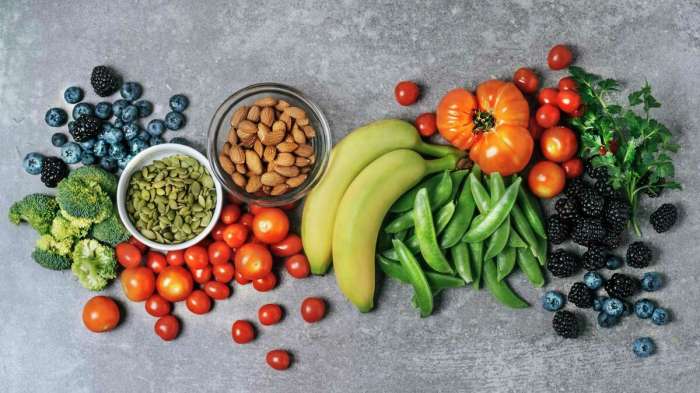
In summary, integrating Superfoods Nutrient-rich foods considered to be especially beneficial for health. into your diet can pave the way for enhanced health and vitality. By debunking myths and exploring the science behind these foods, we can appreciate their role in our well-being even more. So, why not take the leap and start experimenting with these nutritional powerhouses in your meals?
Frequently Asked Questions
What are superfoods?
Superfoods are foods that are exceptionally rich in nutrients and considered to be particularly beneficial for health.
Can anyone eat superfoods?
Yes, most superfoods are safe for everyone, but it’s important to consider individual dietary needs and potential allergies.
Are superfoods a substitute for a balanced diet?
No, superfoods should complement a balanced diet, not replace it. Variety is key to good nutrition.
How do I incorporate superfoods into my meals?
You can add superfoods to smoothies, salads, soups, or use them as toppings for yogurt or oatmeal.
Are superfood supplements as effective as whole foods?
Whole foods provide a range of nutrients and benefits that supplements may not fully replicate, so it’s best to focus on real food.