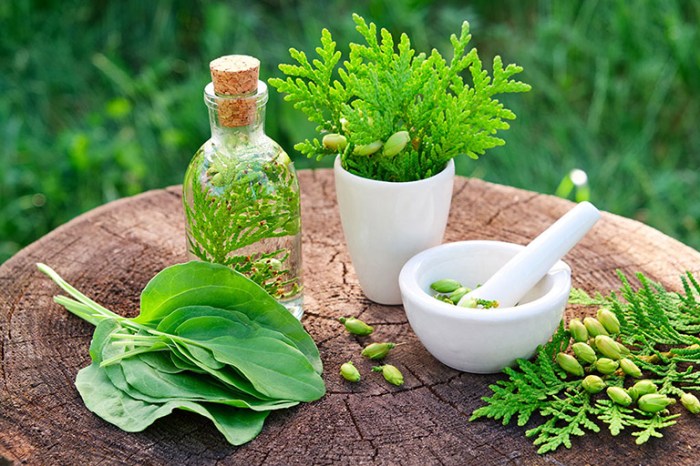
Herbal Teas Teas made from the leaves, flowers, or roots of plants other than tea bushes offer a delightful journey into the world of flavors and health benefits. These unique brews have been cherished for centuries, celebrated not only for their taste but also for their therapeutic properties. With a vast array of options available, from soothing chamomile to invigorating peppermint, herbal teas invite you to explore their rich history and diverse uses.
In this guide, we’ll uncover the origins of herbal teas, delve into popular varieties, and discuss the health benefits tied to these plant-based infusions. Whether you’re a newcomer or a seasoned tea lover, there’s always something new to discover in the realm of herbal teas!
Introduction to Herbal Teas
Herbal teas have a rich history that dates back thousands of years, with roots in various cultures around the world. Unlike traditional teas made from the Camellia sinensis plant, herbal teas are crafted from an array of plants, including leaves, flowers, seeds, and roots. This unique versatility not only provides a myriad of flavors but also offers a diverse range of health benefits that have been cherished throughout history.
The variety of herbal teas available today reflects a vast array of plant sources, each bringing its own unique profile of flavors and potential health benefits. Common types include chamomile, known for its calming effects; mint, which aids digestion; and ginger, prized for its anti-inflammatory properties. These teas can be enjoyed hot or cold, making them a popular choice for any season.
Types of Herbal Teas
Herbal teas can be divided into several categories based on their primary plant source. Understanding these types helps in selecting the right herbal tea for your needs. Here’s a brief overview of the main categories:
- Leaf-based Teas: These herbal teas are made from the leaves of various plants. Examples include peppermint and green rooibos.
- Flower-based Teas: These teas utilize the blooms of plants, such as chamomile and hibiscus, which often impart fragrant aromas and vibrant colors.
- Root-based Teas: Crafted from the roots of plants, these teas, like ginger and dandelion, are renowned for their robust flavors and potential health benefits.
- Seed and Berry Teas: These are made from seeds and berries, such as fennel seeds or elderberry, providing unique flavors and medicinal properties.
The health benefits associated with herbal teas are numerous. Many herbal teas can act as natural remedies for various ailments and contribute to overall wellness. For instance, chamomile is frequently consumed for its calming effects, making it a popular choice before bedtime.
“Herbal teas combine the art of flavor with the science of healing.”
Moreover, the antioxidants and anti-inflammatory properties found in many herbal teas can support immune health and assist in detoxification processes. Whether you’re looking to unwind, boost your immune system, or simply enjoy a flavorful beverage, herbal teas offer something for everyone.
Popular Herbal Tea Varieties
Herbal teas are a delightful way to enjoy a variety of flavors and health benefits, derived from an array of plants beyond the traditional tea bushes. They not only offer unique tastes but also bring various therapeutic properties to the table. Here we explore five popular herbal tea varieties, highlighting their distinct characteristics and the plants that contribute to their benefits.
Common Herbal Tea Varieties and Their Benefits
Understanding the unique characteristics of different herbal teas can enhance your selection based on your mood or health needs. Below are five popular herbal teas, along with their key ingredients and benefits:
- Chamomile Tea: Known for its calming effects, chamomile tea is made from the dried flowers of the chamomile plant (Matricaria chamomilla). It aids in relaxation and can help alleviate insomnia and digestive issues.
- Peppermint Tea: This refreshing tea is made from the leaves of the peppermint plant (Mentha × piperita). It is often used to relieve headaches and digestive problems, thanks to its soothing menthol properties.
- Hibiscus Tea: Obtained from the dried petals of the hibiscus flower (Hibiscus sabdariffa), this tea is known for its vibrant color and tart flavor. It is rich in antioxidants and may help lower blood pressure.
- Ginger Tea: Made from the rhizome of the ginger plant (Zingiber officinale), ginger tea is warm and spicy. It is renowned for its anti-inflammatory properties and is effective in combating nausea and digestive discomfort.
- Lemon Balm Tea: Crafted from the leaves of the lemon balm plant (Melissa officinalis), this tea has a mild lemon flavor and is known for its calming effects, which can help reduce anxiety and improve sleep quality.
The taste profiles of herbal teas can differ significantly from traditional teas, which are made from the Camellia sinensis plant. While traditional teas like black or green tea often have robust and sometimes astringent flavors, herbal teas can range from sweet and floral to spicy and tart.
“When brewed, herbal teas can often surprise with their complex flavors, making them a versatile choice for any occasion.”
With their natural flavors and health benefits, herbal teas provide a refreshing alternative to traditional tea, making every cup a special experience.
Health Benefits of Herbal Teas
Herbal teas offer a delightful way to support your overall health while enjoying unique flavors derived from a variety of plants. Beyond their delicious taste and aromatic qualities, many herbal teas are packed with beneficial properties that can enhance well-being. This section explores the common health benefits associated with herbal teas and highlights specific varieties that can aid in digestion, relaxation, and immune support.
Digestive Support from Herbal Teas
Herbal teas can play a significant role in promoting digestive health. Certain herbs are known to soothe the stomach, relieve bloating, and aid in digestion. Consuming these teas regularly can help maintain a healthy digestive system. The following herbal teas are particularly beneficial for digestion:
- Peppermint Tea: Known for its calming effect on the stomach, peppermint tea can help relieve indigestion and bloating. Studies have shown that menthol, a compound found in peppermint, can relax the muscles of the gastrointestinal tract.
- Ginger Tea: Ginger is widely recognized for its anti-nausea and digestive properties. Research indicates that ginger can aid in the digestion of food and reduce symptoms of motion sickness.
- Chamomile Tea: Chamomile is often used to relax the digestive muscles, which can help alleviate gas and bloating. Its anti-inflammatory properties may also support gut health.
Relaxation and Stress Relief
The calming effects of herbal teas can be a great addition to a relaxation routine. Many herbal varieties are known for their ability to reduce stress and promote a sense of tranquility. The following herbal teas are effective in fostering relaxation:
- Lavender Tea: Lavender has been shown to reduce anxiety and improve sleep quality. A study published in the journal “Evidence-Based Complementary and Alternative Medicine” highlighted its efficacy in promoting relaxation.
- Lemon Balm Tea: This herb belongs to the mint family and is valued for its ability to reduce stress and anxiety levels. Research suggests that lemon balm can improve mood and cognitive function.
- Valerian Root Tea: Valerian is often used as a natural remedy for insomnia and anxiety. It has sedative properties that can help people unwind after a long day.
Immune Support from Herbal Teas
Incorporating herbal teas into your daily routine can provide valuable support to your immune system. Certain teas are rich in antioxidants and compounds that can enhance your body’s defense mechanisms. The following herbal teas are known for their immune-boosting properties:
- Echinacea Tea: Echinacea is renowned for its ability to prevent and reduce the severity of colds and flu. Multiple studies have demonstrated that it can stimulate the immune system.
- Hibiscus Tea: Hibiscus has high levels of vitamin C and antioxidants, which can help strengthen the immune response. Some studies indicate that it may lower blood pressure and improve heart health.
- Elderberry Tea: Elderberry is often used in traditional medicine to treat cold and flu symptoms. Research suggests that elderberry extract can shorten the duration of these illnesses and boost immune function.
Brewing Techniques for Herbal Teas
Brewing the perfect cup of herbal tea involves understanding the unique qualities of each herb and the right methods to extract their flavors and benefits. With a few simple techniques, anyone can enjoy a delightful experience that showcases the rich aromas and health benefits that herbal teas offer.To brew herbal tea, it’s essential to pay attention to the steeping time and water temperature, as these factors significantly influence the flavor and potency of the tea.
Each herb has its own ideal brewing parameters, which can enhance or diminish the final brew. Here’s a detailed guide to help you maximize your herbal tea experience.
Step-by-Step Guide to Brewing Herbal Tea
Follow these steps to brew a delightful cup of herbal tea:
1. Choose Your Herbal Tea
Select a high-quality herbal tea that appeals to your taste. Popular options include chamomile, peppermint, or hibiscus.
2. Measure the Tea
Use about 1 teaspoon of dried herbs or 1 tea bag per cup (8 ounces) of water.
3. Boil Water
Heat water to the appropriate temperature for the chosen herb. Most herbal teas are best brewed with water at a rolling boil (around 200°F or 93°C).
4. Add Herbs
Place the herbs in a teapot or infuser, and pour the boiling water over them.
5. Steep
Allow the tea to steep for the recommended time, typically between 5 to 10 minutes, depending on the herb.
6. Strain and Serve
Once steeped, strain the tea into your cup, add any desired sweeteners or lemon, and enjoy.
Importance of Steeping Time and Temperature
The steeping time and temperature are crucial in determining the flavor and health benefits of herbal teas. Each herb has specific requirements:
Chamomile
Steep for 5 minutes at 200°F (93°C) to release its calming properties.
Peppermint
Best at 5-7 minutes with boiling water, enhancing its refreshing flavor.
Hibiscus
Requires 7-10 minutes at boiling temperature to bring out its tartness and vibrant color.The following table compares the brewing methods for various herbal teas:
| Herbal Tea | Steeping Time | Water Temperature |
|---|---|---|
| Chamomile | 5 minutes | 200°F (93°C) |
| Peppermint | 5-7 minutes | Boiling |
| Hibiscus | 7-10 minutes | Boiling |
| Ginger | 10 minutes | Boiling |
| Rooibos | 5-7 minutes | Boiling |
“Proper steeping time and temperature unlock the full potential of herbal teas, allowing you to enjoy a cup rich in flavor and health benefits.”
Herbal Teas and Culinary Uses

Herbal teas are not only delightful beverages but can also serve as creative ingredients in cooking and baking. Their unique flavors and aromatic properties can enhance a variety of dishes, making meals more vibrant and enjoyable. Incorporating herbal teas into culinary practices can elevate everyday meals to new heights, allowing for the exploration of innovative flavor profiles.Herbal teas can be utilized in various culinary applications, from marinades and dressings to baked goods and desserts.
Their versatility allows cooks to infuse dishes with the distinct nuances of different herbs, flowers, and roots. This section explores how herbal teas can enrich flavor, enhance nutrition, and add cultural depth to cuisines around the world.
Incorporating Herbal Teas in Cooking
Using herbal teas in cooking offers a unique way to introduce new flavors and health benefits into meals. Below are some common culinary applications of herbal teas:
- Marinades: Herbal teas like chamomile or rosemary can be steeped and used as a base for marinades, bringing a complex flavor to meats and vegetables. For example, a chamomile-infused marinade can add a subtle floral note to chicken or fish.
- Soups and Stews: Adding a brewed herbal tea, such as thyme or basil tea, can enhance the broth’s flavor profile. Basil tea, for instance, pairs beautifully with tomato-based soups, offering a fresh herbal twist.
- Dressings and Sauces: Herbal teas can be incorporated into vinaigrettes or sauces for salads or grilled dishes. A mint tea-infused dressing can create a refreshing contrast when drizzled over a fruit salad or grilled vegetables.
- Baking: Herbal teas can also be used in baking, adding moisture and flavor to cakes, cookies, and breads. Lavender tea is a popular choice for flavoring desserts, bringing a delicate floral aroma to pastries.
- Infused Oils and Butters: Infusing oils or butter with herbal teas can create flavorful additions to various dishes. For example, ginger tea can be used to infuse butter for a zesty topping on popcorn or vegetables.
Recipes Featuring Herbal Teas
Here are a couple of simple yet delightful recipes that showcase the use of herbal teas:
Herbal Tea-Infused Lemonade
To make a refreshing herbal tea-infused lemonade, brew 4 cups of your favorite herbal tea, such as hibiscus or peppermint. Once cooled, mix it with 1 cup of freshly squeezed lemon juice and 1 cup of honey or sugar, adjusting sweetness to taste. Serve over ice with fresh mint leaves for garnish.
Lavender Shortbread Cookies
For a unique treat, cream together 1 cup of softened butter with ½ cup of sugar and 1 tablespoon of culinary lavender tea until smooth. Gradually add 2 cups of flour and a pinch of salt, mixing until a dough forms. Shape the dough into logs, chill, then slice and bake at 350°F (175°C) for 12-15 minutes until lightly golden.
Cultural Significance of Herbal Teas
Herbal teas have deep-rooted cultural significance across various cuisines. They often symbolize hospitality, health, and tradition. For instance, in Chinese culture, chrysanthemum tea is celebrated during festivals and family gatherings, symbolizing prosperity and harmony. In Indian cuisine, chai—a blend of black tea and aromatic spices—serves as a staple during social interactions and family gatherings, representing warmth and hospitality.Different regions around the world have their unique herbal tea customs, reflecting the climate, available herbs, and cultural practices.
In the Middle East, mint tea is a symbol of generosity, often served to guests as a sign of welcome. In Japan, herbal teas like mugicha (barley tea) are enjoyed as a refreshing beverage during hot summers, showcasing the country’s appreciation for seasonal ingredients.By integrating herbal teas into cooking and celebrating their cultural significance, we can appreciate the rich flavors and traditions they bring to our tables.
Herbal Tea Safety and Considerations
When enjoying the delightful world of herbal teas, it’s essential to be aware of safety precautions and considerations. While many herbal teas offer health benefits, some can pose side effects or interact negatively with certain medications. Understanding these factors can enhance your herbal tea experience while ensuring your wellbeing.
Potential Side Effects and Contraindications
Certain herbal teas have potential side effects or can cause contraindications in specific populations. It’s crucial to be informed about these risks to avoid adverse reactions. Here are some commonly used herbal teas and their potential side effects:
- Chamomile: May cause allergic reactions in those with ragweed allergies. It can also interact with blood thinners.
- St. John’s Wort: Known to interact with various medications, including antidepressants and birth control pills, potentially reducing their effectiveness.
- Ginger: While generally safe, excessive consumption may lead to heartburn or digestive upset.
- Licorice Root: Prolonged use can lead to elevated blood pressure and lower potassium levels.
Understanding these factors is essential for safe consumption and maximizing the benefits of herbal teas.
Importance of Sourcing High-Quality Herbal Teas
The quality of herbal teas significantly impacts their safety and effectiveness. Sourcing high-quality teas ensures that you are consuming products free from contaminants and with accurate labeling. Here are some guidelines for selecting herbal teas:
- Choose teas from reputable brands known for their quality and safety standards.
- Look for organic certifications to minimize exposure to pesticides and chemicals.
- Check for third-party testing to ensure purity and potency.
- Avoid products that do not clearly list all ingredients or have vague descriptions.
Purchasing high-quality herbal teas not only enhances the taste but also contributes to a healthier experience.
Guidelines for Pregnant or Nursing Women
Pregnant and nursing women should exercise caution when consuming herbal teas due to potential effects on both mother and child. Some herbal ingredients may not be safe during these periods. Here are some guidelines for safe consumption:
- Consult a healthcare provider before introducing any herbal teas into your routine.
- Avoid teas that contain herbs known to induce labor or have strong medicinal effects, such as raspberry leaf or black cohosh.
- Limit caffeine-containing herbal blends, as high caffeine intake can affect fetal development.
- Be cautious with herbal teas that may cause digestive upset or allergic reactions, such as echinacea or peppermint.
Following these guidelines can help ensure that herbal tea consumption remains safe and enjoyable during pregnancy and nursing.
DIY Herbal Tea Blends
Crafting your own herbal tea blends at home is a delightful and rewarding experience. Not only does it allow for creativity, but it also offers the opportunity to customize flavors and health benefits according to personal preferences. Whether you’re aiming for relaxation, energy, or a boost to your immune system, blending herbs can become a unique ritual in your daily routine.When creating herbal tea blends, achieving a balance in flavors is crucial.
This balance not only enhances the drinking experience but also harmonizes the health benefits of each ingredient. For instance, a blend that combines calming chamomile with invigorating peppermint can create a tea that soothes while revitalizing. The key is to consider both flavor profiles and how the herbs interact with one another.
Popular Combinations and Their Health Effects
Below are some well-loved herbal tea combinations along with their intended health effects. These blends not only satisfy the palate but also offer specific wellness benefits:
- Chamomile and Lavender:
This calming combination is perfect for reducing stress and promoting sleep. Chamomile is known for its soothing properties, while lavender adds a delightful aroma that enhances relaxation. - Ginger and Turmeric:
A warming blend that supports digestion and has anti-inflammatory properties. Ginger adds a spicy kick, while turmeric offers a rich, earthy flavor and is well-regarded for its health benefits. - Hibiscus and Mint:
This refreshing mix is great for hydration and has a natural tartness from hibiscus, which can help lower blood pressure. Mint adds a cool burst that makes it enjoyable, especially iced. - Lemon Balm and Rooibos:
Combining these can create a caffeine-free option that calms the mind and promotes relaxation. Rooibos provides a naturally sweet flavor, while lemon balm is known for its calming effects. - Rosehip and Elderberry:
This combination is rich in vitamin C and is excellent for immune support. Rosehips offer a tangy flavor, while elderberries are traditionally used to combat colds and flu.
Consider the desired outcome when selecting your herbs. Each ingredient contributes unique flavors and health effects, so blending should be a thoughtful process. Experimenting with different ratios can lead to discovering your personal favorite mix, so don’t hesitate to adjust the proportions to suit your taste.
Final Summary
In conclusion, herbal teas made from the leaves, flowers, or roots of various plants not only delight our taste buds but also support our well-being. From brewing the perfect cup to understanding their health benefits, these unique infusions can enhance our daily routines. So, whether you enjoy them for their flavors or their wellness properties, there’s no denying the charm and versatility of herbal teas in our lives.
Answers to Common Questions
What are herbal teas made from?
Herbal teas are made from a variety of plants, including leaves, flowers, seeds, and roots, excluding the traditional tea bush.
Are herbal teas caffeine-free?
Yes, most herbal teas are naturally caffeine-free, making them a great choice for any time of day.
How should I store herbal teas?
Store herbal teas in a cool, dark place in airtight containers to keep them fresh and flavorful.
Can I drink herbal tea every day?
Yes, many people enjoy herbal teas daily, but it’s best to vary your choices to avoid potential side effects from specific herbs.
What is the best way to brew herbal tea?
The best way is to steep herbal tea in hot water for the recommended time, usually 5-10 minutes, depending on the herb.