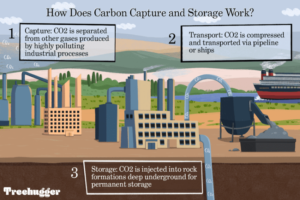
Carbon Capture and Storage (CCS) is quickly becoming a critical player in our fight against climate change. By capturing carbon dioxide emissions from sources like power plants and industrial processes, we have the opportunity to significantly reduce greenhouse gases in the atmosphere. This technology not only helps mitigate the effects of climate change but also opens the door to new economic opportunities and innovative solutions.
As we delve into the world of CCS, we’ll explore the various technologies being utilized, the methods of storing captured carbon, and the economic and regulatory landscapes that shape its implementation. With countries around the globe actively investing in these technologies, understanding CCS is essential for grasping how we can collectively work towards a more sustainable future.
Importance of Carbon Capture and Storage
Carbon Capture and Storage (CCS) plays a pivotal role in the global effort to mitigate climate change by reducing carbon dioxide emissions from various industrial sources. As the world grapples with the impacts of climate change, CCS emerges as a critical technology that can support a transition to a low-carbon economy while enabling continued industrial production. Its significance lies not only in its potential to lower greenhouse gas emissions but also in facilitating the use of fossil fuels more sustainably during the transition to renewable energy sources.
The process of capturing carbon dioxide from industrial processes and storing it underground or using it in beneficial ways is essential for several reasons. CCS can significantly contribute to cutting down emissions from sectors that are challenging to decarbonize, such as cement, steel, and chemical manufacturing. By implementing CCS technologies, companies can not only comply with stricter environmental regulations but also boost their reputations as responsible actors in the fight against climate change.
Furthermore, this technology can create job opportunities and promote economic growth in emerging green sectors.
Role of CCS in Reducing Greenhouse Gas Emissions
The implementation of Carbon Capture and Storage technologies is vital for reducing greenhouse gas emissions, particularly from industrial sources. The concept involves capturing CO2 emissions at their source and preventing them from entering the atmosphere. This is critical for achieving global climate targets.
The following points highlight the significance of CCS:
- CCS can capture up to 90% of the carbon dioxide emissions produced from industrial sources, significantly lowering their carbon footprint.
- It enables existing fossil fuel infrastructure to continue operating while reducing emissions, making it a practical option for industries that currently rely on fossil fuels.
- CCS technologies can support the production of low-carbon hydrogen, which is expected to play a significant role in future energy systems.
- By capturing emissions from power plants, CCS can help transition toward renewable energy by providing a bridge during the shift to cleaner technologies.
“Carbon Capture and Storage is not just a tool for climate mitigation; it is a pathway to a sustainable industrial future.”
Potential Benefits of Implementing CCS Technologies Globally
The global implementation of Carbon Capture and Storage technologies holds numerous potential benefits beyond mere emission reductions. These benefits have far-reaching implications for the economy, environment, and energy systems worldwide.
Key advantages include:
- Enhancing energy security by allowing countries to utilize their fossil fuel resources more sustainably.
- Promoting innovation and investment in new technologies and infrastructure, leading to economic growth.
- Creating thousands of jobs in sectors related to construction, operation, and maintenance of CCS facilities.
- Facilitating international collaborations and knowledge sharing to develop best practices for carbon management.
- Contributing to the achievement of international climate commitments and goals, such as those Artikeld in the Paris Agreement.
The adoption of CCS technologies paves the way for a more sustainable future, where industrial processes can align with environmental stewardship and societal needs.
Technologies Used in Carbon Capture
Carbon capture technology is essential for reducing greenhouse gas emissions and combating climate change. It involves various methods that efficiently capture carbon dioxide (CO2) from different sources, enabling its storage and preventing it from entering the atmosphere. Understanding these technologies can illuminate the ways we can mitigate climate impacts effectively.
Pre-Combustion Capture
Pre-combustion carbon capture is a process where carbon is removed from fossil fuels before they are burned. This method is particularly significant in integrated gasification combined cycle (IGCC) systems. In these systems, fossil fuels are converted into a synthesis gas composed primarily of hydrogen and carbon monoxide. The carbon monoxide can then be reacted with steam to produce more hydrogen and CO2, the latter of which is captured before combustion occurs.
The advantage of pre-combustion capture lies in its ability to produce hydrogen, a clean-burning fuel that can significantly reduce emissions when used in fuel cells or combustion processes.
Post-Combustion Capture
Post-combustion capture refers to capturing CO2 after the combustion of fossil fuels. This technology is widely applicable to existing power plants and industrial processes, making it adaptable for retrofitting. The most common method involves using solvents such as amines to absorb CO2 from flue gases.Some notable projects using post-combustion technology include the Boundary Dam project in Canada, which captures over one million tons of CO2 annually from a coal-fired power plant, and the Petra Nova project in Texas, which captures approximately 1.6 million tons of CO2 from a natural gas power plant.
Oxy-Fuel Combustion
Oxy-fuel combustion technology involves burning fossil fuels in pure oxygen instead of air. This results in a flue gas composed mainly of CO2 and water vapor, making it easier to separate and capture the CO2. Oxy-fuel systems can be used in both power plants and industrial applications, significantly enhancing the efficiency of carbon capture.An example of this technology is the Callide Oxyfuel Project in Australia, which has tested oxy-fuel combustion in a coal-fired power plant setting, demonstrating the effectiveness of this approach in reducing emissions.
Innovations and Advancements in CCS Technology
Over the last decade, carbon capture and storage (CCS) technology has seen remarkable innovations, leading to increased efficiency and decreased costs. Some notable advancements include:
- Development of advanced solvents with greater absorption capacity, which reduces energy requirements for CO2 capture.
- Integration of carbon capture with renewable energy sources, allowing for a more sustainable approach to reducing emissions.
- Emergence of direct air capture technologies, which capture CO2 directly from the atmosphere, providing a new strategy for combating climate change.
- Improved monitoring and verification techniques for stored CO2, ensuring safety and compliance in long-term storage solutions.
These innovations not only enhance the feasibility of CCS but also pave the way for its broader application across various industries, moving us closer to our climate objectives.
Storage Methods for Captured Carbon
Storing captured carbon is a crucial step in the process of mitigating climate change. Effective storage ensures that carbon dioxide (CO2) does not re-enter the atmosphere, allowing for a more stable environment. There are various methods to achieve this, each with its own set of advantages and considerations.
Geological Storage
Geological storage is one of the most widely used methods for storing captured COThis technique involves injecting CO2 into deep underground rock formations, where it can be securely held for long periods. The key factors that make geological formations suitable for CO2 storage include:
- Presence of impermeable rock layers to prevent leakage.
- Suitable geological structures like depleted oil and gas reservoirs or deep saline aquifers.
- Availability of monitoring technologies to ensure safety and integrity.
The process of geological storage not only sequesters carbon but can also enhance oil recovery in some contexts, which can provide additional economic incentives.
Ocean Storage
Ocean storage involves the direct injection of CO2 into the ocean depths, where it is expected to remain for extended periods. This method capitalizes on the ocean’s capacity to absorb large amounts of CO
However, there are critical considerations:
- Potential impacts on marine ecosystems, including acidification.
- Depth and pressure conditions to ensure CO2 remains in liquid form.
- Transport logistics to move captured CO2 to ocean sites.
Research in this area is ongoing, as scientists evaluate the long-term implications of ocean storage and seek to balance carbon sequestration with marine health.
Mineralization
Mineralization is an innovative approach that involves reacting CO2 with naturally occurring minerals to form stable carbonate compounds. This method offers a permanent solution to carbon storage, as the resulting minerals can remain inert over geological timescales. Factors influencing the mineralization process include:
- The availability of reactive minerals, such as olivine and basalt.
- Energy requirements for mining and processing minerals.
- Site accessibility for both mining operations and CO2 transportation.
While still in the development phase, this method holds promise for regions rich in suitable minerals, potentially providing both climate benefits and raw materials for construction.
Criteria for Selecting Suitable Storage Sites
Choosing appropriate sites for CO2 storage is vital for ensuring both effectiveness and safety. Several criteria are crucial in this decision-making process:
- Geological stability to minimize the risk of seismic activity.
- Proximity to CO2 emission sources to reduce transportation costs.
- Legal and regulatory frameworks supporting carbon storage initiatives.
- Environmental assessments to ensure minimal impact on local ecosystems.
Careful site selection fosters public confidence in carbon storage projects and supports their long-term viability.
Short-term vs Long-term Storage Solutions
The distinction between short-term and long-term storage solutions for carbon is significant, as each serves different purposes and comes with its own advantages and challenges. Short-term storage methods typically involve temporary holding of CO2 until it can be safely processed or transported for permanent storage. These methods include:
- Utilizing tanks or pressure vessels to hold captured CO2.
- Storing CO2 in active oil fields for enhanced oil recovery (EOR).
- Temporary storage in geological formations before final sequestration.
In contrast, long-term storage solutions are designed to permanently sequester CO2, with methods like geological storage, mineralization, and ocean storage. The benefits of long-term solutions include:
- Reduced risk of re-releasing CO2 back into the atmosphere.
- Potential to contribute to climate change mitigation over extended periods.
- Enhanced regulatory support as technologies mature and gain acceptance.
Both types of storage play essential roles in a comprehensive carbon management strategy, with the ultimate goal of significantly reducing atmospheric CO2 levels.
Economic Aspects of Carbon Capture and Storage
The implementation of carbon capture and storage (CCS) technologies comes with a variety of economic considerations that impact their viability and scalability. Understanding the financial landscape surrounding CCS is crucial for stakeholders, investors, and policymakers. By analyzing costs, incentives, and financial partnerships, we can gain insight into how to make these technologies more accessible and effective in tackling climate change.CCS technologies involve significant investments, which can be a barrier to widespread adoption.
The costs associated with CCS can be broken down into several categories, including capital expenditures (CAPEX), operational expenditures (OPEX), and maintenance costs. The financial viability of CCS projects often hinges on these costs, alongside potential revenue streams from carbon credits and government incentives.
Cost Analysis of CCS Technologies
The financial aspects of CCS are multifaceted, encompassing both direct and indirect costs. Understanding these factors is essential for evaluating the overall feasibility of CCS initiatives. Some key cost components include:
- Capital Expenditures (CAPEX): These are the initial costs of constructing CCS facilities, including technology acquisition, installation, and infrastructure upgrades. As of recent estimates, CAPEX can range from $50 to $100 per ton of CO2 captured, depending on the technology and location.
- Operational Expenditures (OPEX): Ongoing operational costs linked to energy consumption, labor, and maintenance can significantly affect the economic sustainability of CCS projects. OPEX is estimated to add another $10 to $30 per ton of CO2 captured annually.
- Transport and Storage Costs: Costs associated with transporting and securely storing captured CO2 are also crucial. Transport methods may include pipelines or shipping, and the expenses can vary widely based on distance and infrastructure availability.
“The overall cost of capturing, transporting, and storing CO2 can total between $60 to $130 per ton, depending on various factors such as technology, location, and scale.”
Economic Incentives and Policies Supporting CCS
Government policies and economic incentives play a key role in promoting CCS technologies and making them financially attractive. Several mechanisms are currently in place or have been proposed to support CCS initiatives:
- Tax Credits: Programs like the U.S. 45Q tax credit provide financial incentives for carbon capture projects, allowing developers to claim up to $50 per ton of CO2 stored. This can significantly improve the financial return on investment for CCS projects.
- Grants and Funding: Governments and international organizations often offer grants or funding for research and development in CCS technologies, helping to offset initial costs and encourage innovation.
- Carbon Pricing: Implementing carbon pricing mechanisms can create a financial incentive for industries to invest in CCS as a means to reduce their carbon footprint and avoid penalties associated with emissions.
Financial Models and Partnerships for CCS Initiatives
Establishing effective financial models and partnerships is crucial for enhancing the economic viability of CCS projects. Collaborative efforts can lead to shared risks and resources, making it easier to fund large-scale initiatives.
- Public-Private Partnerships (PPPs): These collaborations between government entities and private companies can leverage public funding to attract private investment, helping to finance CCS projects.
- Joint Ventures: Companies within the same industry may enter joint ventures to share the costs and benefits of developing CCS technologies, reducing individual financial burdens while promoting collective environmental goals.
- Carbon Credit Trading: Companies investing in CCS can generate carbon credits, which can be sold in carbon markets. This not only provides a potential revenue stream but also encourages larger investments in CCS technologies.
Policy and Regulatory Framework
The policy and regulatory framework surrounding Carbon Capture and Storage (CCS) plays a critical role in shaping the technology’s development and implementation. In many regions, government policies are designed to promote CCS as a viable solution to combat climate change. These regulations can provide incentives for research, development, and deployment of CCS technologies, ensuring that they become a key component of global climate strategies.Governments around the world are actively involved in establishing policies that facilitate the adoption of CCS technologies.
This includes implementing tax incentives, funding research projects, and creating regulatory pathways for safe and effective carbon storage. For instance, the United States has enacted the 45Q tax credit, which provides financial incentives to companies that capture and store carbon dioxide. Similarly, the European Union has integrated CCS into its Renewable Energy Directive, recognizing its importance in achieving climate targets.
Existing Policies and Regulations
Numerous existing policies and regulations govern CCS initiatives, providing frameworks for development, deployment, and monitoring of these technologies. Key examples include:
- International Agreements: The Paris Agreement sets the stage for global cooperation on climate change mitigation, indirectly promoting CCS as a technology to achieve national commitments.
- National Regulations: Countries like Canada and Norway have established specific regulations addressing the safety and environmental stewardship of geological storage sites.
- State-Level Initiatives: In the U.S., various states have developed individual policies to support CCS, such as California’s cap-and-trade program that includes provisions for carbon capture.
Government Role in CCS Adoption
The government plays a pivotal role in promoting the adoption of CCS technologies through a variety of mechanisms. Policymakers can encourage investment and innovation by:
- Funding Research: Government grants and subsidies can help advance CCS research and development, leading to technological breakthroughs.
- Public-Private Partnerships: Collaborations between government and industry can facilitate knowledge sharing and resource allocation for CCS projects.
- Establishing Clear Guidelines: By creating comprehensive regulatory frameworks, governments can provide clarity and confidence to stakeholders involved in CCS projects.
Challenges and Barriers in Regulatory Frameworks
Despite the efforts made, several challenges and barriers within the regulatory frameworks hinder the deployment of CCS initiatives. These include:
- Complexity of Regulations: Navigating the various regulations can be daunting for companies, potentially discouraging investment in CCS technologies.
- Liability and Risk Management: Uncertainty regarding long-term liability for stored carbon can deter investment and project development.
- Public Perception: Lack of public understanding and acceptance of CCS technologies can lead to opposition and delays in project approvals.
The successful advancement of CCS technologies requires not only robust policies but also public support and understanding to ensure their effective implementation.
Environmental Impact of CCS
The environmental impact of Carbon Capture and Storage (CCS) is a crucial aspect to consider, given its potential role in mitigating climate change. While CCS technologies hold promise for reducing greenhouse gas emissions, it’s essential to evaluate their ecological footprint and associated risks. Understanding these factors can help ensure that CCS implementations do not inadvertently harm the environment.The potential environmental impacts associated with CCS primarily revolve around the storage phase, where captured CO2 is injected into geological formations.
While most studies indicate that well-chosen storage sites can securely contain CO2, the risk of leakage cannot be entirely dismissed. It is imperative to analyze the geological characteristics of storage sites, including their capacity, integrity, and the presence of natural barriers that could prevent CO2 migration.
Studies on CO2 Leakage Risks
Research has focused on assessing the risks of CO2 leakage from storage sites. Various studies have examined geological formations such as depleted oil and gas reservoirs, deep saline aquifers, and unminable coal seams as potential storage locations. These studies have aimed to identify potential pathways for CO2 migration, assessing factors such as:
- Integrity of Cap Rocks: The cap rock’s ability to seal and prevent gas escape is vital. Studies have shown that well-formed cap rocks can effectively contain CO2 over long periods.
- Monitoring Techniques: Advanced monitoring technologies, including seismic imaging and pressure measurements, are employed to detect any signs of leakage early on.
- Historical Cases: Investigations of natural analogs, such as volcanic eruptions or natural gas reservoirs, have provided insights into potential leakage mechanisms and the consequences of CO2 migration.
The collective evidence from these studies suggests that while the risk of leakage exists, it can be effectively managed through thorough site assessments and robust monitoring practices.
Lifecycle Analysis of CCS Technologies
A lifecycle analysis (LCA) of CCS technologies provides a comprehensive view of their ecological impacts from inception to implementation. This analysis evaluates not only the direct effects of CO2 capture and storage but also the environmental costs associated with the entire system.Key aspects of LCA in CCS include:
- Energy Consumption: The energy required for capturing, transporting, and storing CO2 can lead to additional emissions unless sourced from renewable methods.
- Resource Use: The extraction of materials and resources needed for CCS infrastructure contributes to environmental degradation if not managed sustainably.
- Impact on Local Ecosystems: The construction and maintenance of CCS facilities might disrupt local habitats, necessitating careful planning to mitigate negative outcomes.
An important takeaway from lifecycle assessments is that while CCS presents an opportunity for emission reductions, its implementation must be approached holistically to minimize its overall environmental impact.
The success of CCS technologies in reducing atmospheric CO2 hinges not only on their efficiency but also on their careful integration into existing energy systems and landscapes.
Global Perspectives on CCS
As the urgency to combat climate change intensifies, countries around the world are stepping up their efforts in carbon capture and storage (CCS). This global initiative aims to mitigate carbon emissions by capturing them from the source and securely storing them underground. Understanding different national strategies and collaborative efforts in CCS provides valuable insights into how the world is addressing this critical challenge.Countries are adopting unique strategies for CCS implementation based on their specific contexts, resources, and energy needs.
The following examples highlight some leading nations in CCS technology and their approaches:
Leading Countries in CCS Implementation
Several countries have emerged as frontrunners in developing and deploying CCS technologies. Their strategies reflect diverse approaches tailored to their unique circumstances:
- Norway: Norway is recognized for its pioneering role in CCS, with the Sleipner project being the world’s first commercial-scale CCS operation, capturing over 1 million tons of CO2 annually since 1996. The country promotes CCS through significant government investment and partnerships with private sectors.
- United States: The U.S. has numerous CCS projects, notably the Petra Nova project in Texas and the Illinois Basin – Decatur Project, which demonstrates successful capture and storage of significant CO2 volumes. The government supports CCS through funding programs and tax incentives.
- Canada: Canada’s CCS strategy includes projects like the Boundary Dam, which integrates carbon capture with existing coal plants, showcasing how CCS can retrofit older power sources. The Canadian government also provides financial support to enhance CCS research and development.
- United Kingdom: The UK has launched several initiatives, including the Carbon Capture Usage and Storage (CCUS) program, which aims to deploy CCS in industrial sectors and power generation. The country emphasizes a mix of public and private investment to accelerate CCS technology development.
International collaborations have further enhanced CCS development, showcasing a united front against climate change. Many countries are forming partnerships to share knowledge, technology, and best practices. Here are notable collaborations:
International Collaborations and Agreements
Global strategies for CCS involve cooperation across borders, driven by the recognition that climate change is a collective challenge. Significant agreements include:
- Mission Innovation: Launched at COP21, this initiative facilitates global collaboration among governments and private sectors to accelerate public and private clean energy innovation, including CCS technology.
- Net-Zero Emissions Coalition: Formed by several countries, this coalition aims to promote technologies like CCS as part of broader strategies to achieve net-zero emissions by mid-century.
- International Energy Agency (IEA): Through its CCS Technology Collaboration Program, the IEA provides a platform for member countries to collaborate on CCS research and deployment, sharing successes and challenges to foster collective progress.
The global landscape of CCS is dynamic and multifaceted, with various countries leading the charge in technology development and implementation. Through collaborative efforts and tailored national strategies, the world is making significant strides in integrating CCS as a key component of climate change mitigation efforts.
Future of Carbon Capture and Storage
The future of carbon capture and storage (CCS) holds immense promise as a crucial tool in combating climate change. As the world increasingly recognizes the need to reduce greenhouse gas emissions, advancements in CCS technologies are expected to play a vital role in achieving global climate targets. This section Artikels anticipated technological developments and a strategic roadmap for the future of CCS on a global scale.
Anticipated Advancements in CCS Technologies
The evolution of CCS technologies is expected to be marked by significant innovations aimed at increasing efficiency, reducing costs, and enhancing scalability. The following advancements are anticipated:
- Improved Capture Techniques: New materials and methods, such as advanced solvents and solid sorbents, are being developed to enhance CO2 capture efficiency in various industrial processes.
- Integration with Renewable Energy: CCS technology is likely to be combined with renewable energy sources, enabling the capture of emissions from energy-intensive industries while promoting sustainability.
- Digital Technologies: The use of artificial intelligence and machine learning is expected to optimize monitoring, operational efficiency, and predictive maintenance in CCS systems.
- Direct Air Capture (DAC): Innovations in DAC technology aim to remove CO2 directly from the atmosphere, potentially revolutionizing the scale and application of CCS.
- CCUS (Carbon Capture, Utilization, and Storage): The focus will shift toward not just capturing carbon but also utilizing it in various applications such as building materials and fuels, creating a circular carbon economy.
Roadmap for Global CCS Development
A structured roadmap is vital for the successful implementation of CCS on a global scale. This roadmap includes critical phases and milestones to ensure effective deployment:
- Phase 1 – Research and Development: Increased investment in R&D to drive innovation in capture technologies and storage methodologies, supported by government and private sector funding.
- Phase 2 – Pilot Projects: Launching pilot projects in key industries to test new technologies, gather data, and refine operational processes to ensure scalability.
- Phase 3 – Policy Support and Investment: Establishing clear policies and incentives that promote CCS adoption, including carbon pricing and subsidies for carbon-reducing technologies.
- Phase 4 – Infrastructure Development: Building necessary infrastructure, including pipelines and storage facilities, to support the transportation and long-term storage of captured CO2.
- Phase 5 – Global Collaboration: Fostering international partnerships to share knowledge, best practices, and technologies across borders, making CCS a global endeavor.
Potential Role of CCS in Achieving Climate Targets
CCS is positioned to be a critical component in meeting international climate agreements, such as the Paris Accord. The technology’s ability to significantly reduce emissions from hard-to-abate sectors like cement, steel, and chemical production makes it indispensable for the following reasons:
CCS can potentially reduce emissions by up to 90% in specific industrial processes, contributing significantly to net-zero targets.
The implementation of large-scale CCS can lead to:
- Decarbonization of Industry: Enabling industries to transition towards lower emissions without compromising production, crucial for economic stability.
- Supporting Negative Emissions: Through techniques like DAC, CCS can help achieve negative emissions, essential for offsetting unavoidable emissions.
- Enhancing Energy Security: By integrating with fossil fuel power generation, CCS can support a cleaner energy transition while maintaining energy supply reliability.
- Job Creation: The CCS sector is expected to create a substantial number of jobs in engineering, construction, and operations, boosting local economies.
Last Recap

In summary, Carbon Capture and Storage presents a promising pathway to addressing climate change while fostering economic growth. As we look ahead, the advancements in CCS technology and the international cooperation surrounding it underscore its importance in achieving our global climate targets. Embracing these solutions can help us ensure a cleaner, healthier planet for future generations.
FAQ Overview
What is Carbon Capture and Storage?
Carbon Capture and Storage is a technology that captures carbon dioxide emissions from sources like industrial processes and stores it underground to prevent it from entering the atmosphere.
How effective is CCS in reducing emissions?
CCS can significantly reduce emissions from industrial sources, potentially capturing up to 90% of the carbon dioxide produced in certain processes.
What are the main storage methods for captured carbon?
Captured carbon can be stored through geological storage, ocean storage, and mineralization, each having its own set of criteria for site selection and long-term viability.
Are there any risks associated with CCS?
While CCS is generally considered safe, there are concerns about potential CO2 leakage from storage sites, which necessitates thorough site assessments and monitoring.
What role do governments play in CCS?
Governments promote the adoption of CCS through regulations, financial incentives, and investment in research to enhance the technology’s development and deployment.