Have you ever thought about how much energy your home wastes? Energy-Efficient Insulation is here to save the day! By creating a thermal barrier, it drastically reduces energy consumption while benefiting the environment and saving you money on energy bills.
This type of insulation not only enhances comfort in your living spaces but also makes a significant positive impact on the planet. With various materials available, homeowners can choose the best options that align with their needs and budgets.
Importance of Energy-Efficient Insulation
Energy-efficient insulation plays a crucial role in enhancing the thermal performance of buildings, which directly impacts energy consumption and overall comfort. By minimizing heat transfer between the interior and exterior of a structure, good insulation reduces the demand on heating and cooling systems. This not only leads to lower energy bills but also promotes a more sustainable lifestyle.The environmental benefits of energy-efficient insulation are significant.
By reducing the amount of energy consumed, these insulation materials help decrease greenhouse gas emissions and reliance on fossil fuels. The production and installation of energy-efficient insulation materials are designed to minimize waste and often utilize recycled or sustainably sourced materials, further lessening their environmental footprint.
Environmental Benefits of Energy-Efficient Insulation
Using energy-efficient insulation materials significantly contributes to environmental conservation. The insulation process reduces energy demand, which in turn lowers the carbon emissions associated with energy production. The following points highlight the environmental advantages:
-
Decreased Energy Consumption:
Insulation minimizes the need for heating and cooling systems, leading to a reduction in energy usage and lower emissions linked to energy production.
-
Reduction in Greenhouse Gas Emissions:
By lowering energy needs, energy-efficient insulation helps in decreasing the overall carbon footprint of a building.
-
Use of Sustainable Materials:
Many energy-efficient insulation products are made from recycled or renewable resources, promoting a circular economy.
-
Waste Reduction:
Enhanced insulation can lead to less waste in the long term by prolonging the life of buildings and reducing the need for frequent renovations or replacements.
Economic Advantages of Energy-Efficient Insulation
Investing in energy-efficient insulation can provide substantial economic benefits for both homeowners and businesses. The initial costs are often offset by long-term savings on energy bills and potential tax incentives. Here are some key economic factors to consider:
-
Lower Energy Bills:
Effective insulation significantly reduces reliance on heating and cooling systems, leading to decreased energy costs on a month-to-month basis.
-
Increased Property Value:
Homes and commercial buildings that are well-insulated tend to have higher market values, as energy efficiency is a desirable feature for potential buyers.
-
Tax Incentives:
Many governments offer tax credits or rebates for energy-efficient upgrades, which can lessen the financial burden of installation costs.
-
Enhanced Comfort:
Improved temperature regulation contributes to a more comfortable living or working environment, which can lead to increased productivity and satisfaction.
Types of Energy-Efficient Insulation Materials
When it comes to improving energy efficiency in your home, insulation plays a pivotal role. Selecting the right insulation material can significantly affect your energy bills, comfort levels, and overall environmental impact. Various insulation materials available in the market offer unique benefits, and understanding their properties can help you make an informed decision.The effectiveness of insulation is typically measured by its R-value, which indicates resistance to heat flow.
Higher R-values mean better insulating power. Several popular types of energy-efficient insulation materials include fiberglass, foam, cellulose, and others. Each of these materials has distinct characteristics that make them suitable for different applications and environments.
Comparison of Insulation Materials
To best understand the different types of insulation materials, it’s important to compare their effectiveness, cost, and installation methods. Below is a table that offers a quick reference on various insulation materials:
| Insulation Type | R-Value per Inch | Average Cost per Square Foot | Installation Method |
|---|---|---|---|
| Fiberglass | 2.9 – 4.3 | $0.50 – $1.50 | Batts, rolls, or loose-fill |
| Foam Board | 4.0 – 6.5 | $1.00 – $3.00 | Cut to fit and applied to walls |
| Cellulose | 3.2 – 3.8 | $0.60 – $2.00 | Blown-in or dense-packed |
| Spray Foam | 5.0 – 6.5 | $1.50 – $3.00 | Sprayed in place |
| Mineral Wool | 3.0 – 4.0 | $0.65 – $2.00 | Batts or loose-fill |
Selecting the right insulation not only helps save on energy costs but also contributes to a more sustainable lifestyle. For instance, fiberglass insulation is one of the most commonly used materials due to its affordability and effectiveness, while spray foam offers a superior air barrier that can lead to lower energy bills.
“Investing in the right insulation is key to maximizing energy efficiency and comfort in your home.”
Consideration of your local climate, your home’s specific needs, and your budget can guide you in choosing the most appropriate insulation type. Each material has its pros and cons, and understanding these nuances will ultimately lead to a more energy-efficient home.
Installation Methods for Energy-Efficient Insulation
Installing energy-efficient insulation is a critical step in improving the thermal efficiency of your home. Proper installation can significantly reduce energy costs and enhance overall comfort. This guide covers best practices for insulation installation, a detailed DIY step-by-step process, and tips for selecting qualified professional installers.
Best Practices for Installing Insulation
Implementing the best practices during insulation installation ensures that you maximize energy efficiency. The following key points should be taken into consideration:
- Preparation of the Area: Ensure the installation area is clean and dry, free from any debris or moisture that could impact the insulation’s effectiveness.
- Sealing Gaps: Use caulk or weather stripping to seal any gaps around windows, doors, and electrical outlets before installing insulation.
- Choosing the Right Type: Select insulation that is suitable for the specific area of your home, such as attic, walls, or basements, taking into account factors like R-value and moisture resistance.
- Installation Technique: Follow the manufacturer’s instructions closely regarding installation methods, as improper techniques can lead to air leaks and reduced efficiency.
- Use Protective Gear: Wear appropriate protective equipment such as gloves, goggles, and masks to safeguard against irritants associated with insulation materials.
Step-by-Step Guide for DIY Insulation Installation
For those interested in taking on the challenge of DIY insulation, following a structured process can lead to successful installation. Here’s a step-by-step guide:
- Gather Materials: Obtain the necessary insulation material, tools (like a utility knife, measuring tape, and stapler), and safety equipment.
- Measure the Area: Accurately measure the space where insulation will be installed to determine how much material is needed.
- Cut the Insulation: Carefully cut the insulation to fit the measured spaces, ensuring a snug fit without gaps.
- Install the Insulation: Place the insulation into the framed spaces, ensuring it fits tightly against the sides without compressing it, as compression reduces effectiveness.
- Seal with Vapor Barrier: If required, install a vapor barrier over the insulation to prevent moisture accumulation, following local building codes.
- Check for Gaps: Inspect the installation for any remaining gaps or spaces that could allow air leaks and seal them as necessary.
Tips for Hiring Professional Insulation Installers
If DIY installation seems daunting, hiring professional installers can ensure that the job is done correctly and efficiently. Here are some essential tips for choosing the right professionals:
- Research Credentials: Verify the installer’s licensing and insurance, ensuring they have the relevant experience in energy-efficient insulation.
- Seek References: Ask for references or check online reviews to gauge the quality of their previous work and customer satisfaction.
- Get Multiple Quotes: Request quotes from several contractors to compare pricing, scope of work, and warranties offered.
- Discuss Techniques: Inquire about the installation methods they plan to use and ensure they align with energy efficiency best practices.
- Ask About Follow-Up: Confirm if they offer any post-installation support or assessments to ensure the insulation performs as expected.
Energy Efficiency Ratings and Standards
Energy-efficient insulation plays a crucial role in reducing energy consumption and maintaining comfortable indoor environments. Understanding the energy efficiency ratings and standards that apply to insulation products can help homeowners and builders make informed choices. This knowledge ensures compliance with regulations and enhances the overall effectiveness of insulation systems.
Energy Efficiency Ratings for Insulation Products
Insulation products are rated based on their ability to resist heat flow, commonly referred to as R-value. The higher the R-value, the greater the insulation’s effectiveness. R-values vary by material, thickness, and density, which makes understanding these values essential when selecting insulation. Here are key ratings to consider:
- R-Value: Measures thermal resistance; higher values indicate better insulating properties.
- Reflectivity: Indicates how much radiant heat is reflected away; useful in warmer climates.
- EMI Ratings: Electromagnetic interference ratings are relevant for insulation materials used in sensitive environments.
Importance of Adhering to Local Building Codes
Building codes play an integral role in ensuring safety, sustainability, and energy efficiency in construction. These codes may dictate minimum R-values for insulation based on geographical climate zones. Compliance with these codes not only fosters energy-saving practices but also facilitates legal and insurance considerations. Here are the primary reasons for adhering to building codes:
- Ensures Safety: Codes are designed to safeguard life and property by ensuring proper insulation installation.
- Promotes Energy Efficiency: Compliance leads to optimized energy use, reducing utility costs for homeowners.
- Avoids Legal Issues: Non-compliance could result in fines, building permit rejections, or issues during property sales.
Finding and Interpreting Insulation Labels
Insulation labels provide important information regarding energy standards and compliance, helping consumers make informed decisions. Understanding how to read these labels is vital for effective insulation selection and installation. Here are key elements to look for on insulation labels:
- R-Value: Clearly stated, this value indicates thermal resistance based on thickness and type of insulation.
- Material Type: Labels specify the insulation material, which can affect performance and suitability for specific applications.
- Certification Marks: Look for certifications from recognized organizations, such as the American Society for Testing and Materials (ASTM) or the U.S. Green Building Council (USGBC).
“Understanding insulation labels is essential for ensuring compliance with energy standards, which ultimately contributes to sustainability and cost savings.”
When selecting insulation, always refer to the manufacturer’s guidelines and local building codes to ensure optimal performance and compliance. By understanding energy efficiency ratings, adhering to regulations, and interpreting labels effectively, homeowners can achieve significant energy savings and comfort in their spaces.
Challenges and Solutions in Insulation
Insulating your space effectively can come with a few bumps along the way. Understanding these challenges is crucial for a successful installation and long-term energy efficiency. Whether you’re tackling a new project or maintaining existing insulation, knowing the common hurdles can help you navigate them smoothly and keep your home comfortable and energy-efficient.
Moisture control and air leaks are two predominant challenges that can compromise the effectiveness of insulation. Addressing these issues is essential not only for maintaining energy efficiency but also for preventing structural damage and mold growth. Solutions to these problems can greatly enhance the performance of your insulation.
Common Challenges and Effective Solutions
Several common challenges can arise during insulation installation and maintenance. Below are some of the key issues and their corresponding solutions:
- Moisture Control: Moisture can lead to mold growth and reduced insulation performance.
- Air Leaks: Gaps and cracks allow warm or cool air to escape, undermining insulation efficiency.
- Pest Intrusion: Rodents and insects can damage insulation materials and create further issues.
- Settling Insulation: Over time, some insulation materials can settle, reducing their effectiveness.
To effectively address these challenges, consider the following solutions:
- Implement vapor barriers in areas prone to moisture, such as basements and crawl spaces, to prevent condensation and mold growth.
- Inspect and seal air leaks using caulk or spray foam to enhance thermal performance.
- Choose pest-resistant insulation materials, such as fiberglass, which are less appealing to rodents and insects.
- Regularly inspect your insulation for settling and replenish or adjust materials as needed to maintain efficiency.
In addition to the above challenges, it’s important to have troubleshooting tips at your disposal for when problems arise with your insulation. Here are some practical tips to help you maintain your insulation’s effectiveness:
- Conduct annual insulation inspections to catch early signs of wear or damage.
- Use a moisture meter to detect hidden dampness in insulation materials.
- Ensure proper ventilation in attics and crawl spaces to minimize moisture buildup.
- Check for drafts regularly, especially during seasonal changes, to identify air leaks.
- Educate yourself on the signs of settling insulation, such as colder spots in your home, and act promptly.
“Proper insulation is not just about comfort; it’s also essential for maintaining the integrity of your home and improving energy efficiency.”
Future Trends in Insulation Technology
As energy efficiency continues to be a priority in both residential and commercial buildings, the insulation technology landscape is evolving rapidly. Emerging materials and innovative designs are paving the way for superior insulation performance, contributing significantly to energy savings and environmental sustainability. This segment explores the cutting-edge advancements in insulation, including promising materials like aerogels and phase-change materials, along with what the future holds for the insulation industry.
Emerging Technologies in Insulation
Innovative materials are reshaping the insulation industry, where traditional options are being complemented or replaced by advanced solutions. Aerogels, known for their extremely low thermal conductivity, are one such material. These lightweight substances are often referred to as “frozen smoke,” showcasing remarkable insulating properties while being extremely thin. On the other hand, phase-change materials (PCMs) leverage the concept of energy storage, absorbing and releasing heat when they change states, thus maintaining ambient temperature more effectively.Aerogels and PCMs exemplify how insulation technologies are moving towards more efficient, compact, and environmentally-friendly solutions.
Below is a table highlighting some innovative insulation products currently in development or use:
| Product | Material Type | Key Features |
|---|---|---|
| Aerogel Insulation | Aerogel | Ultra-lightweight, high thermal resistance, water-resistant |
| Phase-Change Insulation Panels | Phase-Change Material | Temperature regulation, energy savings, reduces heating/cooling load |
| Vacuum Insulation Panels (VIPs) | Vacuum-sealed materials | High insulating performance with thin profiles, moisture-resistant |
| Mycelium-based Insulation | Organic material (fungal mycelium) | Biodegradable, lightweight, good thermal insulation |
Predictions about the future of insulation materials point towards an increasing emphasis on sustainability and performance. With advancements in material science, it’s anticipated that these new insulation technologies will not only enhance energy efficiency but also reduce carbon footprints significantly. For instance, the integration of smart insulation systems that adapt to environmental changes could be commonplace, optimizing energy use in buildings.Additionally, as governments and organizations worldwide tighten regulations regarding energy efficiency, the demand for innovative insulation solutions is expected to grow.
This trend not only highlights the importance of insulation in energy conservation but also emphasizes the industry’s role in achieving broader climate goals.
“The future of insulation technology lies in materials that are not only effective but also sustainable, paving the way for a more energy-efficient built environment.”
Case Studies of Energy-Efficient Insulation Projects
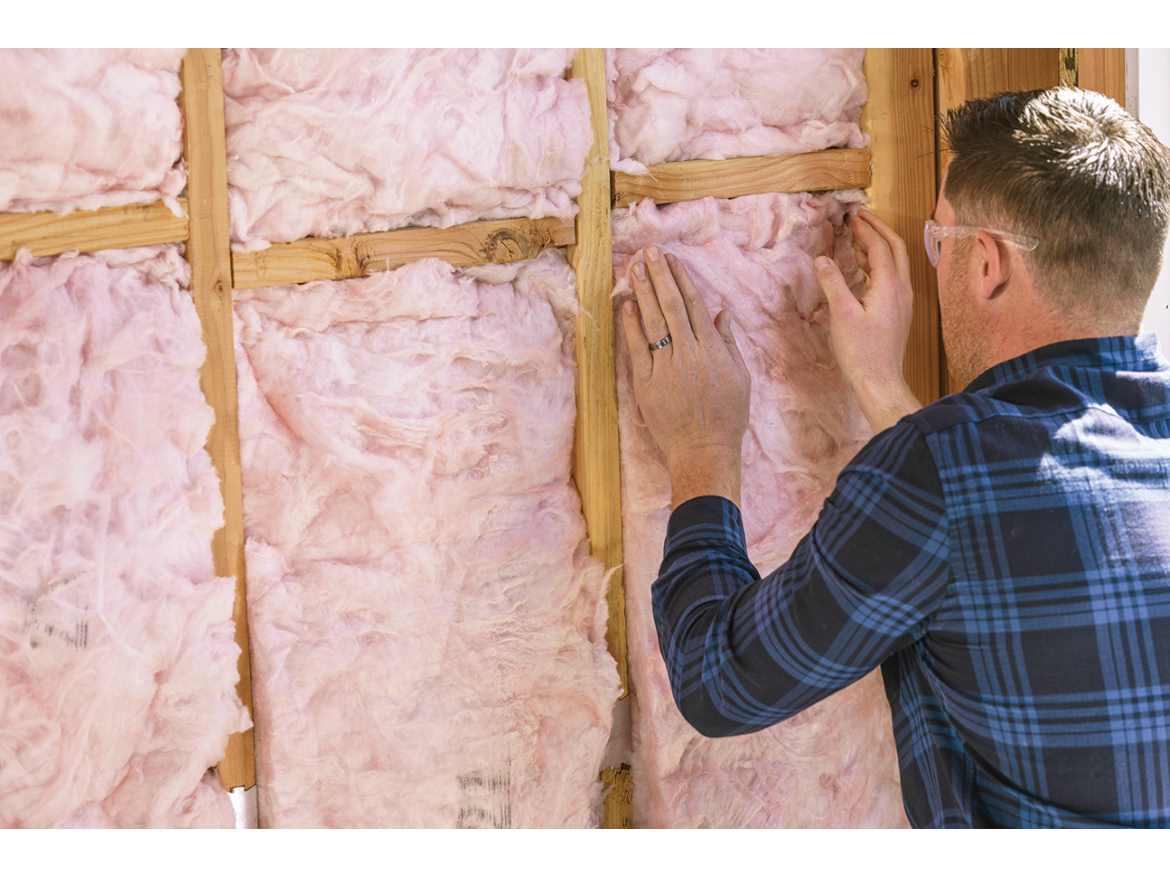
Energy-efficient insulation plays a critical role in reducing energy consumption and enhancing the comfort of residential and commercial buildings. By examining real-world case studies, we can better understand the tangible benefits of implementing energy-efficient insulation solutions. These examples provide valuable insights into the energy savings achieved, the return on investment, and the overall impact on building performance.One notable project involved a medium-sized commercial office building that underwent a full insulation upgrade.
The building, which previously suffered from high heating and cooling costs, decided to implement a combination of spray foam insulation and fiberglass batts to optimize energy efficiency.
Commercial Office Building Case Study
The office building, located in a region with extreme temperature variations, was initially losing significant amounts of conditioned air due to inadequate insulation. The cost analysis indicated that the building spent approximately $30,000 annually on energy bills. Following the insulation upgrade, the building’s energy consumption was monitored for one year, revealing substantial improvements.Key findings from this project included:
- Annual energy savings of 40%, equating to a reduction in energy costs of $12,000.
- Return on investment achieved in just over two years due to decreased energy expenses.
- Enhanced occupant comfort and satisfaction, leading to increased productivity and a reduction in employee complaints about temperature fluctuations.
Moreover, the insulation project contributed to a notable decrease in the building’s carbon footprint, aligning with the company’s sustainability goals.
Residential Home Energy Retrofit Case Study
Another case study focused on a residential home retrofitted with energy-efficient insulation. This home, originally built in the 1980s, had outdated fiberglass insulation that had settled and degraded over the years. The homeowners opted for a complete upgrade, replacing the existing material with cellulose insulation and adding exterior insulation sheathing for improved thermal performance.The results were as follows:
- Energy consumption dropped by 35%, leading to annual energy savings of about $2,500.
- Improved indoor air quality as air leaks were sealed and moisture control was enhanced.
- Increased home value due to improved energy efficiency ratings and overall comfort.
The homeowners reported a more stable indoor temperature throughout the year, drastically reducing reliance on heating and cooling systems.
Comparative Analysis of Project Outcomes
A comparative analysis of the two case studies underscores the effectiveness of energy-efficient insulation in both commercial and residential applications. The outcomes highlight several important aspects:
| Project Type | Energy Savings (%) | Annual Cost Reduction ($) | Payback Period (Years) |
|---|---|---|---|
| Commercial Office Building | 40 | 12,000 | 2.5 |
| Residential Home | 35 | 2,500 | 3 |
The data from these projects not only illustrates the financial benefits of energy-efficient insulation but also emphasizes its role in environmental sustainability. As building codes continue to evolve, such case studies will serve as benchmarks, showcasing the potential gains from investing in modern insulation technologies. By adopting energy-efficient insulation practices, both residential and commercial sectors can achieve significant energy savings and create more comfortable living and working environments.
Closure
In summary, investing in Energy-Efficient Insulation is a win-win for both your wallet and the environment. Whether you’re a DIY enthusiast or prefer to hire professionals, there are numerous ways to improve your home’s energy efficiency. As technology evolves, staying informed about insulation will ensure your home remains comfortable and eco-friendly for years to come.
Clarifying Questions
What are the main benefits of energy-efficient insulation?
It reduces energy consumption, lowers utility bills, and provides environmental benefits by minimizing carbon footprints.
How can I choose the right type of insulation for my house?
Consider factors like climate, budget, and specific needs; research different materials and their R-values for better decision-making.
Can I install insulation myself, or should I hire a professional?
You can do it yourself if you’re handy, but hiring a professional ensures proper installation and maximizes efficiency.
What should I do if I notice moisture in my insulation?
It’s crucial to address moisture issues immediately as they can lead to mold. Investigate the source, fix leaks, and replace any damaged insulation.
Are there any tax incentives for using energy-efficient insulation?
Yes, many governments offer tax credits or rebates for energy-efficient home upgrades, including insulation. Check local programs for eligibility.